
Written by Zera Horn
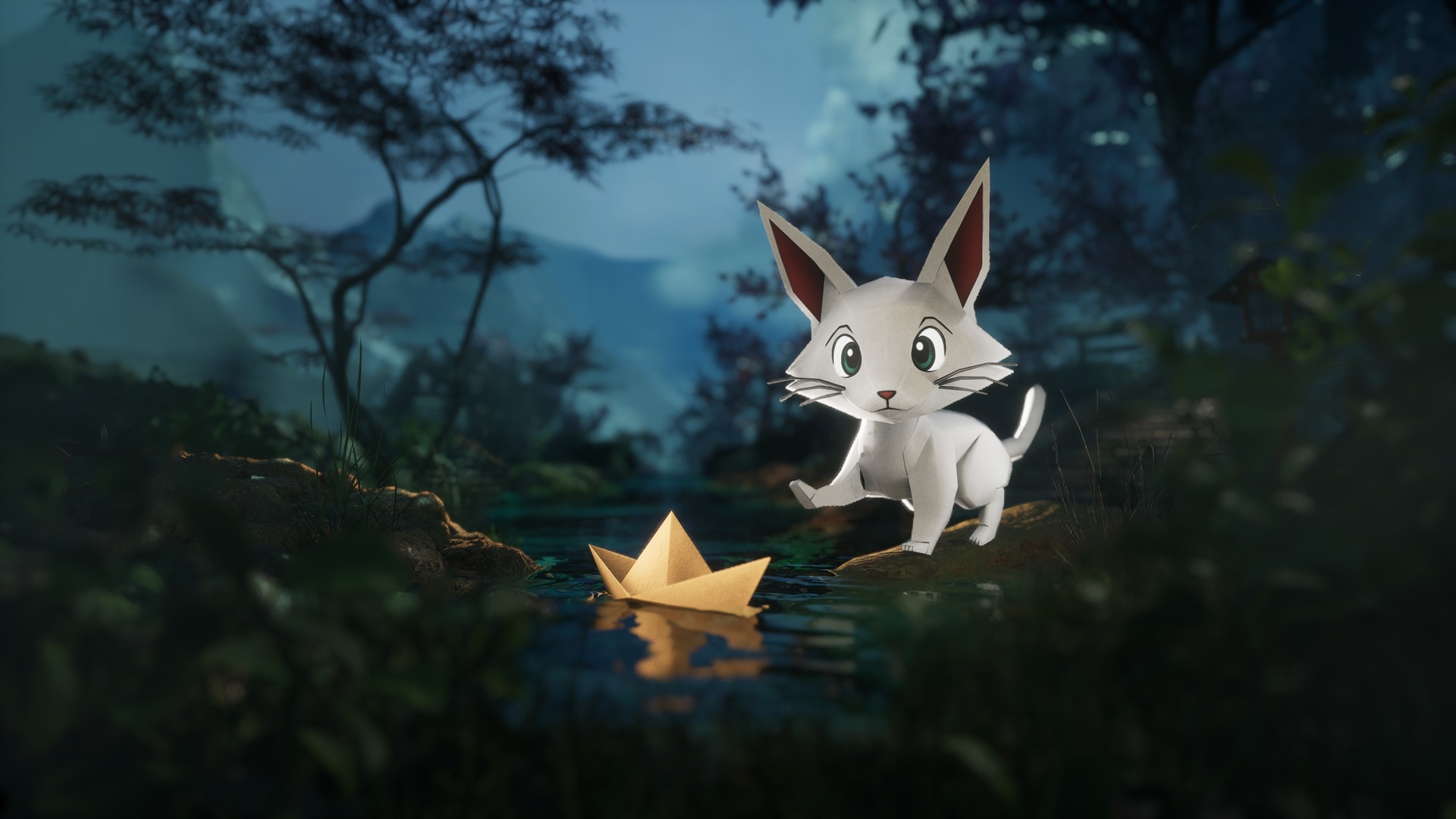
Origament: A Paper Adventure from Space Sauce Studio immediately sets itself apart by doing something most games and its a friendly family game that I respect as I play with my kids at home.In a space that often leans into constant stimulation and noise, Origament instead offers a calm, almost meditative experience that feels refreshing from the very first moments.
What struck me right away was how safe and contained the experience feels. This is not just “family-friendly” as a label. It is genuinely built with that idea at its core. There is no violence, no questionable themes, and no online interaction to worry about. I never felt the need to second-guess what might come next or whether the experience could suddenly shift tone, coming from a mother who wants to make sure my child is playing games I feel are appropriate for their age. That level of consistency matters, especially for parents looking for something reliable, and Origament delivers on that front without compromise.
A Smart Core Mechanic That Carries the Experience
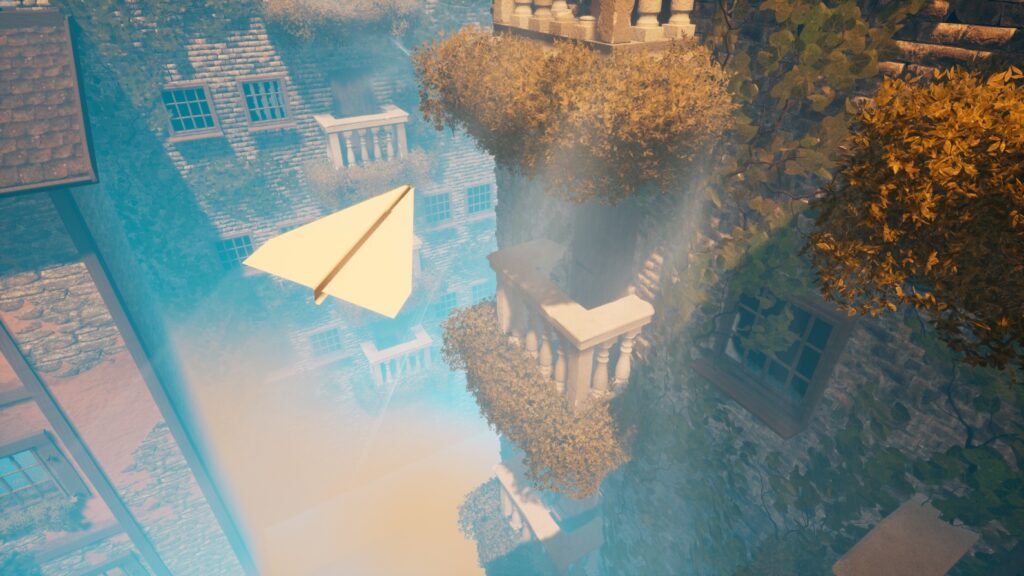
At the heart of Origament is its shape-shifting mechanic, and it is easily the game’s strongest feature. You control a ball that adapts its form depending on the terrain it interacts with. It is a simple concept, but it changes how you think about movement in a meaningful way.
Rather than focusing purely on timing or precision, I found myself paying closer attention to how the environment influenced my movement. The terrain is not just something you move across. It actively shapes how you move. That creates a more natural flow to traversal, and it gives the game a distinct identity compared to more traditional platformers.
The puzzle design supports this well. Challenges are engaging without becoming frustrating, and the game does a good job of maintaining momentum. I rarely felt stuck for long periods, but I still had to think through solutions. That balance is not easy to achieve, especially in a game clearly designed with accessibility in mind, but Origament manages it.
This makes it particularly effective for younger players, though it does not feel overly simplified. There is enough interaction to keep things interesting, even if the overall difficulty leans on the lighter side.
Strong Presentation, But Limited Evolution
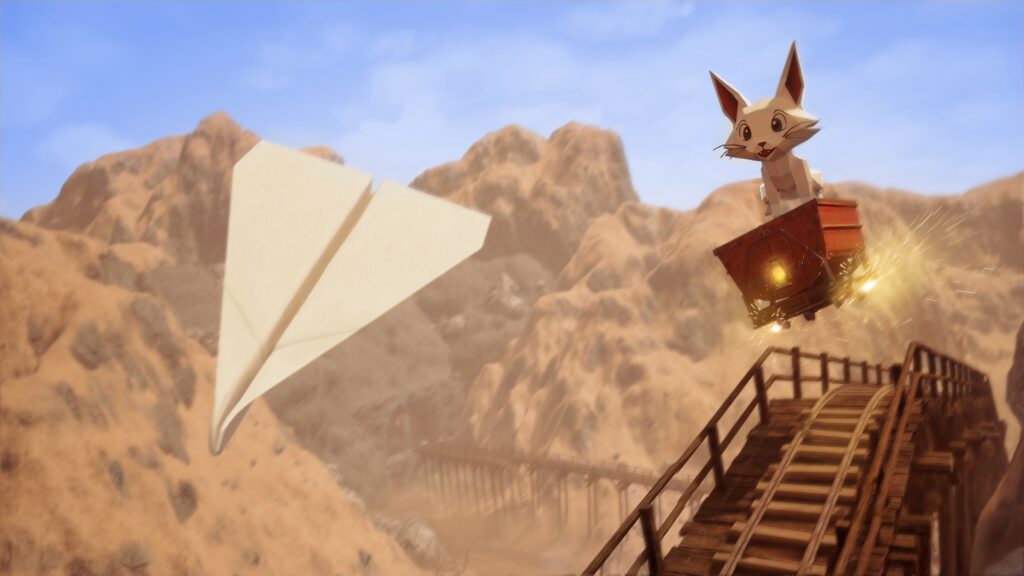
Visually, Origament is clean and inviting. The environments are colorful without being overwhelming, and a consistent sense of calm is baked into the art direction. It avoids clutter and instead focuses on clarity, which fits perfectly with the game’s overall tone.
Some of the most memorable moments come during the flying sequences. These sections slow the pace even further, giving you time to take in the surroundings. I found these moments among the most effective in the game. They are not about challenge or progression as much as they are about atmosphere, and they reinforce the game’s identity in a way few mechanics do.
From a technical standpoint, the game holds up well. Performance is stable, and I did not encounter any noticeable bugs or interruptions. That level of polish helps maintain immersion and keeps the experience consistent throughout.

Where Origament starts to lose some of its impact is in its long-term variety. The shape shifting mechanic is interesting, but it does not evolve as much as it could. As I spent more time with the game, certain patterns began to repeat, and the sense of discovery started to fade.
This does not make the game unenjoyable, but it does affect how compelling it is over longer sessions. I found myself enjoying it most in shorter bursts rather than extended playthroughs. For players used to more dynamic gameplay loops, especially younger audiences, this could impact how long the game holds their attention.