

Where the Winds Meet, by the developing team Everstone Studio, has been circulating in the gaming sphere for some time, yet it continues to hold the attention of a surprising number of players. This is not a small feat, given how quickly new titles can smother older ones. The game opens with a style that feels confident in its identity. It leans into sweeping landscapes, martial arts flourish, and a sense of wandering that feels more like discovering a living world rather than checking off boxes. It also helps that the game is technically free-to-play. You only need to spend if you want cosmetics, mounts, or a few extra conveniences. Newer players sometimes ask if the free approach comes with strings attached. Yet the game’s structure lets you enjoy the main journey without feeling forced to pay for core progression. Also on their Discord, they post announcements and updates to continue patching and improving the game, so you know this game will continue to do well in the gaming sphere. Having played on both PS5 and PC, let’s look at what this game is about.
A Returning World That Refuses To Lose Its Spark
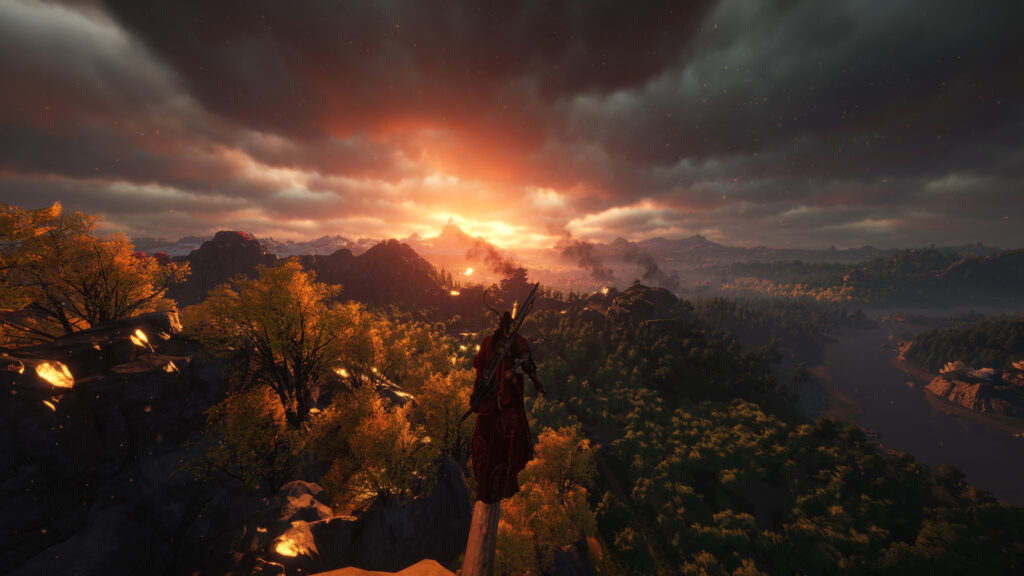
One thing players should know before jumping in is how account linking works. This matters because it is easy to create your character first, then realize you should have linked accounts beforehand. The game allows account merges, but it requires cautious attention. Missing a step can result in losing time, characters, or progress. If I had to recommend a clean path, I would say create your character on Steam, then link that account to your PS5. That approach gave me the least friction and kept my time investment safe. There is some flexibility in mixing platforms, but if you make a mistake during the linking process, support may not always be able to recover your data.
While the structure of the world and account systems brings their own quirks, none of that would matter if the core gameplay did not land, thankfully, where the Winds Meet understands that combat needs to feel both quick and lasting impression. When the pacing lines up and the rhythm clicks, the duels feel thrilling. This is especially true if you hop back and forth between platforms. I enjoy playing the base experience on PS5 because the controller feedback and the larger display make the world pop. When I want something more intense, I shift to PC and dive into Legend mode. That mode strips away comfort and demands precision. The difficulty curve keeps you alert, and if you misjudge an attack window, you pay for it instantly. Switching between the two platforms gives the game a refreshing duality. One platform lets me lean back. The other reminds me that mastery requires full attention.
Sadly, the experience is not without its problems. The most consistent issue that players still run into is stability. The game frequently crashes on both PC and PS5. Some sessions run flawlessly. Others fall apart without warning. The pattern feels random. It is not tied to any particular zone, cutscene, or effect. The game stumbles and closes. Losing an extended session to a crash is frustrating, especially if the timing interrupts a boss’s attempt or a story beat. The game has been out long enough that this kind of issue should be approaching resolution. Instead, it remains a recurring topic across communities. Players keep hoping for a patch that finally smooths out the crashes, yet every update brings only partial relief. You can still enjoy the game despite this, but the instability makes long-play sessions an exercise in patience. The game offers both solo and multiplayer modes, so feel free to play whichever mode you are comfortable with.
The World That Beckons You To Wander
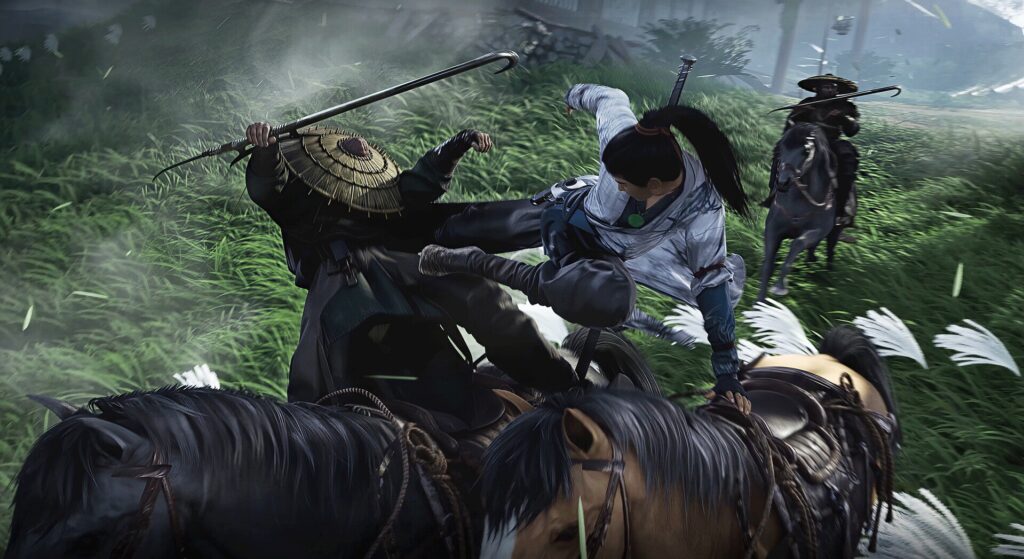
The world design is the first thing that pulls you in. It has a rhythm similar to open-world titles that rely on natural exploration rather than breadcrumb trails. The fields stretch out with subtle details that reward curiosity. Villagers go about their routines. Small environmental cues hint at hidden paths or side stories. There is a sense that the world does not wait for you to arrive. It feels alive with its own pace. You might walk through a bamboo forest and find two NPCs arguing about a minor dispute. You might cross a river and discover a group of travelers struggling to repair a broken wagon. Moments like these do not force themselves into your quest log. They unfold in a way that feels organic.
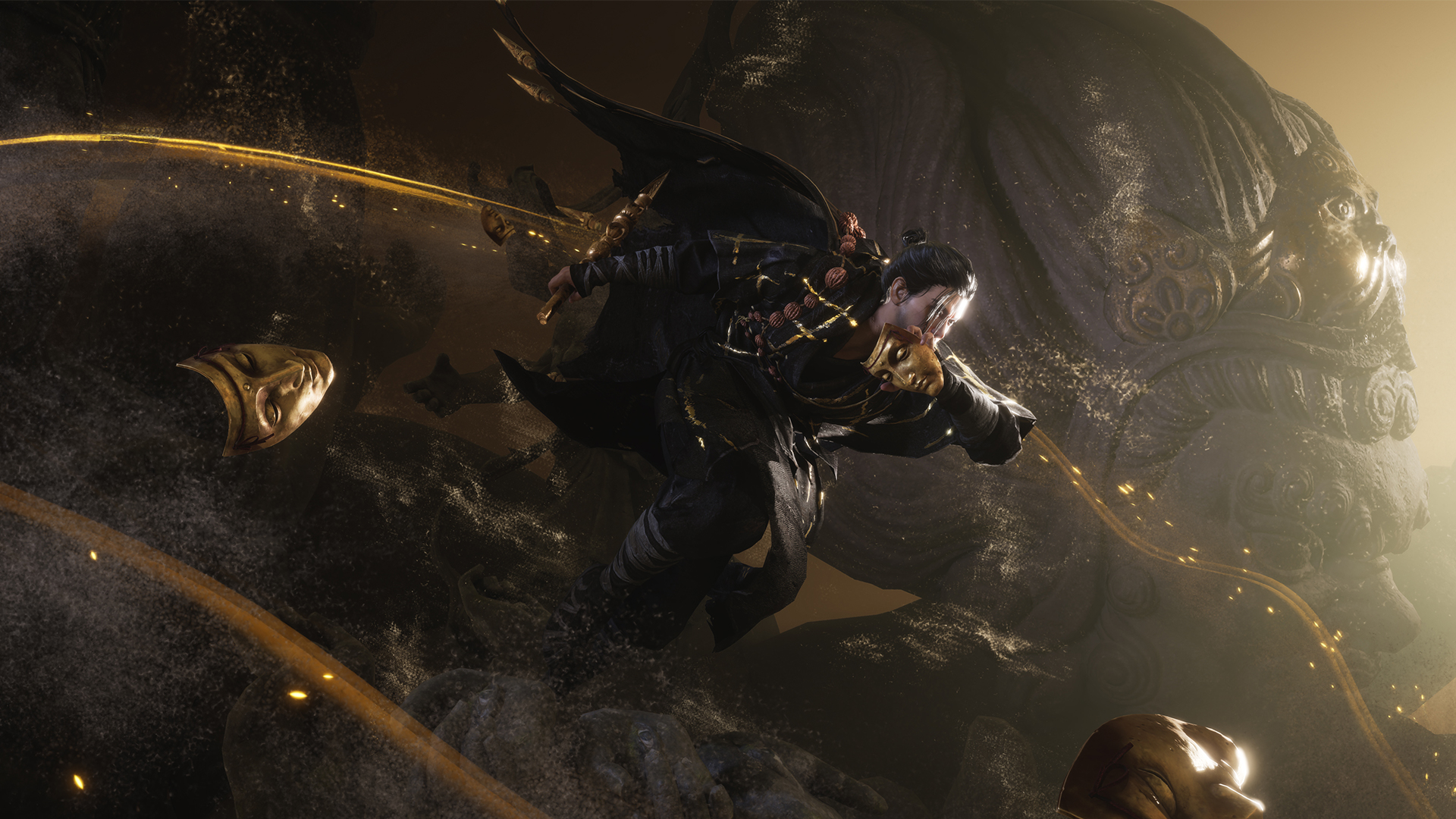
What sets this game apart is how it blends martial arts fantasy with grounded scenery. The physics lean toward elegance rather than realism. Characters sprint across rooftops with weightless agility; swords glint as if coated in old stories. The animations have enough flourish to feel theatrical without crossing into parody. When you chain attacks or dodge at the last second, the movement carries momentum. It feels like you are part of a wuxia film where every leap is a statement of intent. This approach invites you to treat the world as a playground rather than a map with icons.
The story follows a classic structure of personal identity, clashing ideals, and hidden truths. The early hours raise more questions than they answer. That slow burn might frustrate some players, yet it works for this world. The game wants you to grow into your role. It gives you time to study factions, shape alliances, and discover secrets at your own pace. The pacing avoids rushing into bombastic set pieces. Instead, it saves those moments for when they have context. When the large narrative beats finally hit, they land with more weight because the game has earned your investment.
Some of the writing shines with nuance. Not every conversation hits the mark, but the world’s tone stays consistent. NPCs have motivations that feel personal. Factions push agendas that do not simplify into good versus evil. Even minor characters sometimes reveal unexpected depth. You can sense that the writers wanted to portray a world of shifting loyalties, blurred morals, and a protagonist who navigates those complexities rather than relying on simple hero tropes.
Combat That Balances Flash And Technique
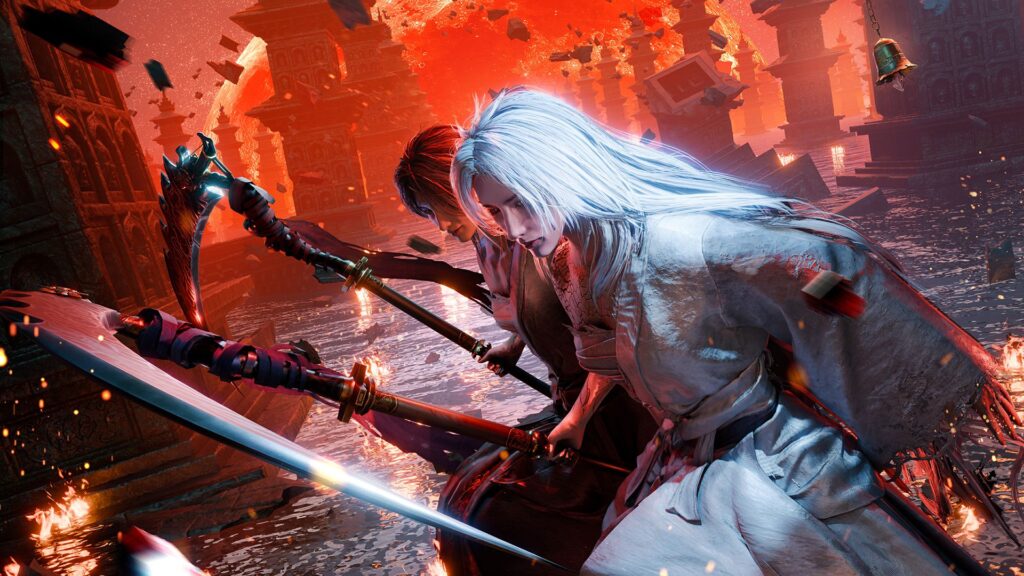
Combat is the main attraction for many players. It operates on a balance that respects both spectacle and precision. You can button-mash your way through early encounters, but the game quickly teaches you that timing matters. Enemies telegraph attacks with enough clarity that you can dodge, parry, or counter if you stay focused. Once you learn the rhythm, fights become a series of micro decisions.
The variety of weapon styles adds layers to the system. Swords offer mobility. Spears give reach. Some weapons trade speed for power. Others reward careful positioning. Each style provides a learning curve. You can master one approach or experiment with several. The game does not punish you for switching. Instead, it encourages experimentation through its skill progression. Unlocking abilities feels purposeful. You can sense the difference in combat flow as you upgrade.
Legend mode on PC takes this foundation and tightens every screw. The enemies punish poor choices, and the windows for dodging shrink. The stakes rise with every encounter. When you clear a difficult section in that mode, you feel genuine satisfaction. It mirrors the intensity of action games that require high discipline. Playing the easier modes on PS5 and the tougher ones on PC gives the game surprising longevity. It becomes two experiences that share one world.

Not all aspects of combat land perfectly. Enemy AI sometimes behaves unpredictably. Groups can become chaotic in ways that feel unfair rather than challenging. Some hitboxes feel inconsistent. A few abilities seem to connect even when the animation suggests you dodged. These moments can break immersion. The game benefits when everything feels crisp. Any inconsistency becomes noticeable against the broader fluidity of combat. Still, the overall system remains strong enough that these issues do not ruin the experience. They mark areas where future patches could refine the flow. So far, I have been enjoying the different styles you can build to suit your needs, whether you want to explore, fight bosses, or PvP with others.
A Game That Breathes Potential But Needs Stability
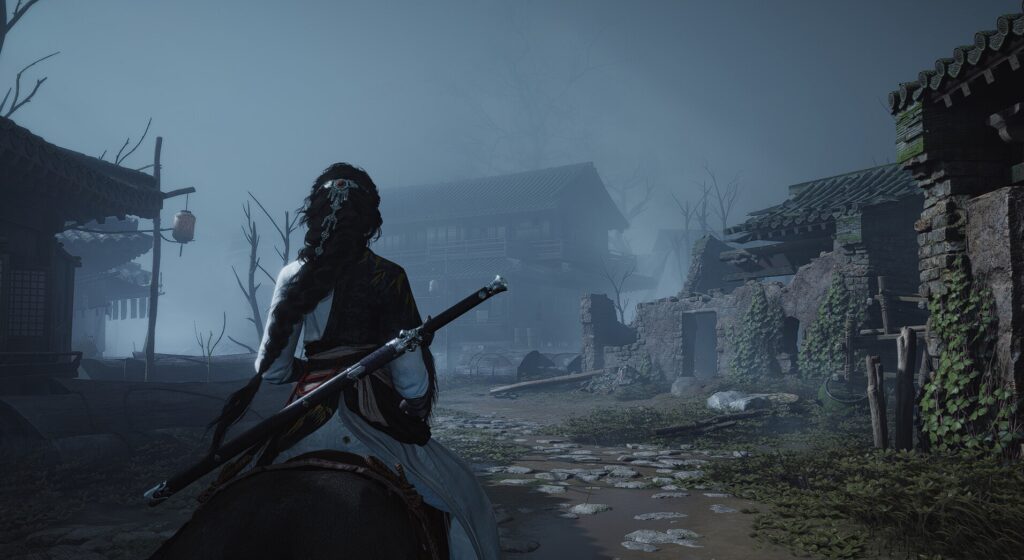
This game carries the burden of potential. Unfortunately, it also has technical issues that hold it back from shining at full strength. The crashes remain the most significant problem. They break momentum. When you invest time in a session and lose it without warning, your patience wears thin. This would be easier to forgive if the crashes were rare. Instead, they appear inconsistently across both PC and PS5. Some days offer smooth sessions. Others feel like you are rolling the dice every time you enter a new area.
Despite these problems, the game maintains a dedicated player base. This says something about its core appeal. Players stick around because the world feels worth returning to. The movement feels satisfying. The fights feel like puzzles that require timing and confidence. The atmosphere draws you into a space that feels different from typical open-world templates. There is magic in the combination of martial arts mystique and grounded scenery. You can sense that the game wants you to slow down and absorb its sense of place.
The developers continue pushing out updates, but the pace of fixes sometimes feels slower than the community expects. When a game shows this much potential, players root for it. They want the team to address stability issues so the game can stand on equal footing with other prominent titles. Once performance becomes reliable, the rest of the structure can shine without distraction.
The Journey Continues
Where the Winds Meet is a game that succeeds in its ambition while stumbling in its execution; the world feels beautiful. The combat feels energized and thoughtful. The narrative weaves intrigue with patience. The free-to-play approach removes barriers for newcomers. The cross-platform flexibility gives players room to shape their preferred way to experience the game. For me, PS5 is the comfortable place to unwind, while PC serves as the battleground for Legend mode. That contrast keeps the game fresh every time I switch systems.
At the same time, the technical issues cannot be ignored. The frequent crashes strain the experience. The account linking process remains too fragile. These shortcomings prevent the game from reaching its full potential. Yet even with these flaws, the game manages to pull players in. When it works, it delivers moments that feel thrilling and atmospheric.