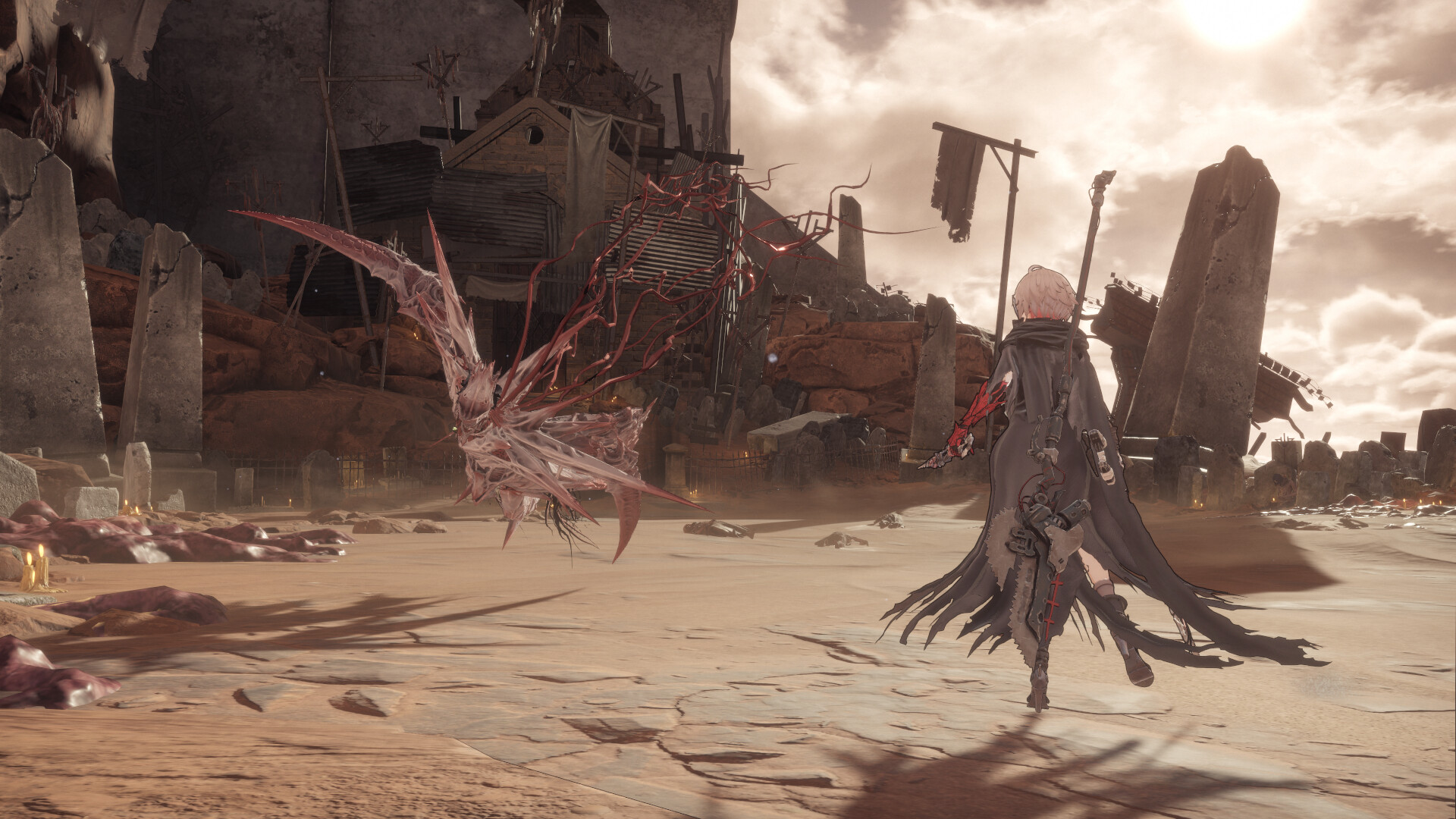

I want to be upfront about something: I am still working my way through AI Limit. But I have played enough of it to know exactly what kind of game it is, who it is for, and whether or not it earns a spot in your library. Spoiler: it probably does, depending on where you stand with the Souls genre.
For those who are new to the Soulslike genre or only play it casually, AI Limit leans more on the accessible side of things, while still ensuring that accessibility is balanced out fairly well with innovative mechanics and challenging combat. It is not challenging like some of the Souls games you may have played or watched, but it feels nice to play something that will not stress you out or frustrate you as much.
A Familiar World With Just Enough of Its Own Identity
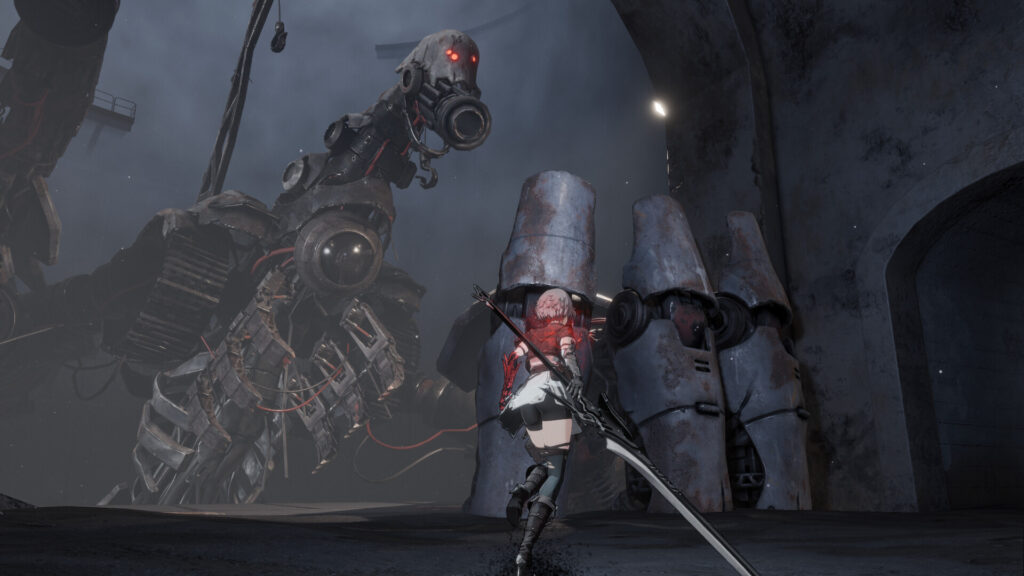
AI Limit is set in a distant future where civilization teeters on the brink of extinction. What is left of humanity now clings to survival in Havenswell, the last known city, driven by the legend of Elysium, a sanctuary and a means of deliverance for humanity’s remaining survivors. You play as Arrisa, an amnesiac Blader with the ability to resurrect at Branches scattered throughout the world. If that sounds like a find-and-replace version of Dark Souls terminology, that is because it kind of is. Branches are Bonfires. Crystals are Souls. Mud is essentially magic. Sense Games is not exactly hiding their homework here. The lore is similar to most Souls games, and you can uncover more of the world’s lore as you progress through the game and encounter notes scattered throughout the world.
That said, the world itself does pull you in. There are actually two stories told simultaneously in the game: Arrisa’s personal journey and her quest for Elysium. The way her past slowly unravels through Branch interactions gives the narrative a quiet emotional weight I did not expect going in. If you have ever played Code Vein, you will feel immediately at home here. The anime aesthetic, the post-apocalyptic setting, the amnesiac protagonist piecing together her identity, it all hits very similar notes. Code Vein scratched a specific itch, and AI Limit scratches the same one. The game feels pretty nice, and I enjoyed what it has to offer.
Combat System Worth Learning
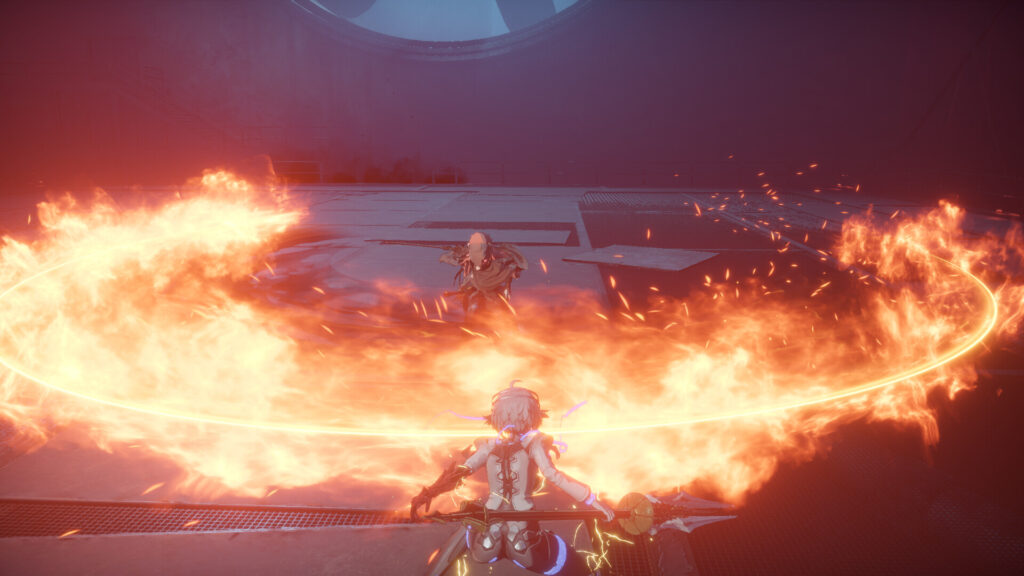
Where AI Limit starts to find its own footing is in its Sync Rate system. It rewards you for playing well, avoiding damage, and striking down enemies with a boost to your overall damage output. If you start eating hits, the sync rate declines, making things even tougher on yourself. It is a smart layer of tension that encourages aggression without punishing players for being cautious. Be careful not to let it get to 0%.
You can also attack and dodge without a single thought, as there is not really a stamina system. AI Limit does not burden basic actions behind any energy requirements; instead, advanced actions like magic and special attacks are what consume your resources, which is determined by your sync rate. For someone newer to this genre, that removal of the stamina bar on basic attacks alone makes the combat feel far less punishing than something like Dark Souls right out of the gate. You can focus on reading enemy patterns instead of also managing every swing you take. However, the system does punish you like any other game, and it won’t let you off easy, which you will see as you can’t always block everything, and you must dodge correctly, or at least out of the way.

The bosses I have fought so far have been genuinely fun encounters. They hit hard, they move well, and figuring out their openings feels rewarding. I have yet to run into a boss with a second phase, though, so I cannot speak to whether the game escalates in that department. It is one of those things I am still waiting to see, and a strong second phase or two could significantly boost the boss quality. Or a different moveset if they reach a certain health percentage.
One thing that stands out about the death penalty is how it handles your crystals. You cannot run back to your corpse and recover what you lost; that option is simply off the table. However, only a marginal number of crystals is lost upon death, and that amount can be adjusted based on the relic you have equipped. So while losing progress is always a sting, it never feels catastrophic. It is a forgiving take on a typically punishing system, and honestly, it works well here.
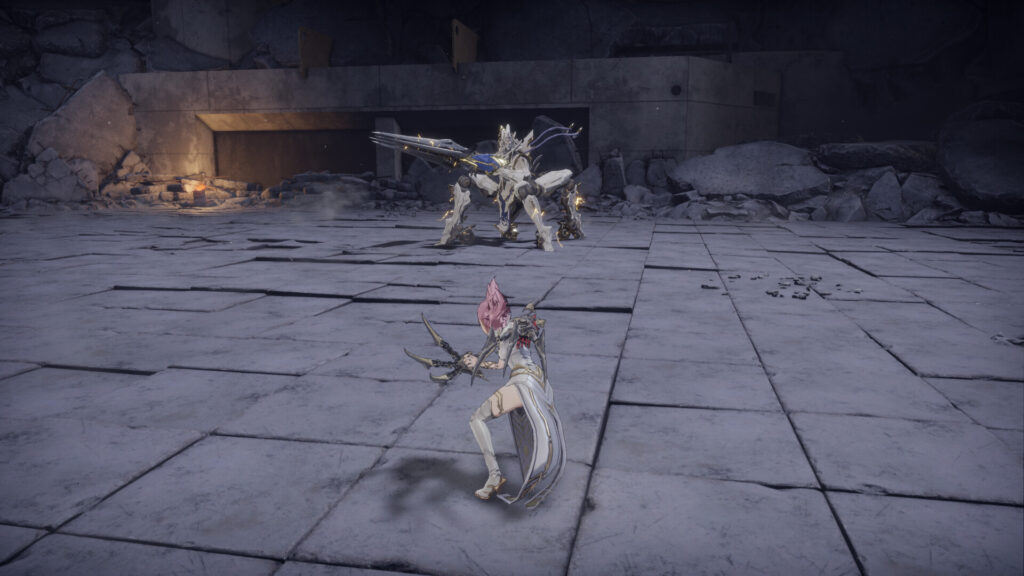
The rough edges are real, though. The world design is mostly linear, with the map structured around district zones, each containing a handful of shortcuts that loop back to the starting Branch. It gets the job done, but do not expect the interconnected level architecture of something like Dark Souls 1. None of it is a dealbreaker, but you will notice it. Still, it retains some aspect that makes you really explore every inch of the map if you want to.
Worth Your Time If You Know What You Are Getting Into
It does not have the budget or the pedigree of a FromSoftware title, and comparing it to one would be unfair. What it does have is a solid foundation, a forgiving learning curve, and enough personality to keep you pushing forward. If you have been curious about the Souls genre but have always felt the barrier to entry was too steep, this is one of the better places to start. And if you are a seasoned Souls player looking for something to bridge the gap to your next big game, you will likely find enough here to stay occupied.